

 San Francisco
- 교육
San Francisco
- 교육

Between Two Languages: The Art of Listening


Alice Chae 서니힐스 고교 11학년
Listening came before confidence. Even though I speak Korean at home, there were moments when my vocabulary lagged. I learned to rely on tone, pauses, and expression as much as the literal words. When my grandmother said “괜찮아,” I learned to hear whether she truly meant it or if she was hiding discomfort. When my parents discussed something serious, I learned to pay attention not just to what they said, but to how they said it: the small sighs and hints of hesitation.
I didn’t realize it then, but this ability to listen between the lines shaped how I communicate everywhere else. When I joined my school newspaper, The Accolade, I learned that strong reporting wasn’t about sounding certain or impressive; it was about hearing what someone wasn’t saying out loud. During an interview with a student who had transferred schools multiple times, I noticed her shoulders tense whenever she mentioned “starting over.” That detail reshaped my entire approach to the story.
I carried that lesson into Voices of the Field, the project I founded to bring students face-to-face with professionals. Every conversation began with listening. Before I asked about résumés or responsibilities, I paid attention to what sparked their excitement or softened their voices. Some speakers opened up about failures they had never talked about; others reflected on unexpected turns that shaped their careers. Those moments didn’t come from perfectly crafted questions. They came from patience and genuine curiosity-skills I didn’t learn in a classroom but by growing up between languages.
Listening even changed the way I played tennis. Moving from singles to doubles meant I couldn’t rely on instinct alone; I had to read my partner just as closely as I read the ball. A slight shift in her stance or the way she bounced the ball before a serve told me more than anything she could literally voice in the middle of a rally. Winning points depended on reading subtle cues and responding properly. What looked like quick reactions on the court was really a quiet form of communication-another version of the listening I’d practiced my whole life.
Growing up bilingual never felt like balancing two separate worlds. It felt like learning two different ways of understanding people. Korean taught me to hear emotion woven into tone; English taught me to articulate what I observed. Together, they shaped how I approach leadership and how I move on a tennis court. As I think about my future, I want to bring this way of listening with me. It’s the skill that has shaped every meaningful connection I’ve made-at home, in the newsroom, on the tennis team, and in every conversation where someone trusted me enough to tell their story. Between two languages, I learned not just to communicate but also to understand, and that, I’ve realized, is where real connection begins.
<Alice Chae 서니힐스 고교 11학년>

- 부동산

- 자동차

스마터리빙
more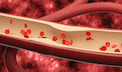 [ 건강]
[ 건강]이제 혈관 건강도 챙기자!
[현대해운]우리 눈에 보이지 않기 때문에 혈관 건강을 챙기는 것은 결코 쉽지 않은데요. 여러분은 혈관 건강을 유지하기 위해 어떤 노력을 하시나요?
 [ 건강]
[ 건강]내 몸이 건강해지는 과일궁합
 [ 라이프]
벌레야 물럿거라! 천연 해충제 만들기
 [ 건강]
[ 건강]혈압 낮추는데 좋은 식품
[현대해운]혈관 건강은 주로 노화가 진행되면서 지켜야 할 문제라고 인식되어 왔습니다. 최근 생활 패턴과 식생활의 변화로 혈관의 노화 진행이 빨라지고
사람·사람들
more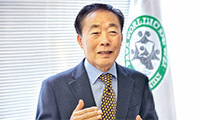
[한인단체 신년 인터뷰] 명원식 파바월드 회장… “한인 차세대 바르게 성장하는 토대 최선”
“한인 차세대들이 바르게 자랄 수 있는 토대를 만드는 것이 제가 파바월드의 회장으로 존재하는 유일한 이유입니다”한인사회의 대표적 청소년 봉사 …

LA한인회 멘토 프로그램 10일 스티브 강 위원장
LA 한인회(회장 로버트 안)가 한인사회 차세대 인재양성 노력의 하나로 ‘멘토를 만나다’ 프로그램을 정례화해 실시하고 있는 가운데 그 세 번째…
미주 한인의 날 기념… 잇달아 ‘코리안 나잇’
미주 한인들의 역사와 성취, 그리고 미국 사회에 기여해 온 발자취를 기리는 1월13일 ‘미주 한인의 날’을 맞아 LA의 주요 프로 스포츠 구단…
‘K-팝의 미래’ 세미나 16일 LA 문화원 개최
LA 한국문화원(원장 이해돈)은 세계한류학회(WAHS)와 함께 오는 1월16일(금) ‘케이팝 데몬 헌터스와 케이팝의 미래 세미나 및 라운드테이…
[한인단체 신년 인터뷰] LA 한인회 로버트 안 …
“더욱 적극적이고 실질적인 서비스로 한인들의 어려움을 돕고, 한인사회 발전에 앞장서겠습니다.”2026년 병오년 새해를 맞아 LA 한인회 로버트…
많이 본 기사
- 미니애폴리스서 30대 여성, 이민단속요원 총격에 사망
- 트럼프, 천정부지 집값에 “기관투자자 단독주택 매입금지 추진”
- 베네수 대통령 경호실장 해임…마두로 체포 ‘배신자’?
- ‘캄보디아 스캠범죄 설계자’ 프린스그룹 천즈, 체포돼 中송환
- 다우, 첫 49,000 돌파 증시 연초 랠리 지속
- ‘주사 이모’ 집 털렸다..박나래, 19금 행위 폭로→경찰 소환까지 ‘첩첩산중’
- 美, 베네수 석유자원 관할 본격화…경제이익·中견제 동시 추구
- ‘오징어 게임3’, 美배우조합 ‘스턴트 액션연기상’ 후보 올라
- 트럼프, 방산기업들에 “배당할 돈으로 생산·유지보수 주력하라”
- 국무 “내주 덴마크와 그린란드논의…군사옵션 모든 현안에 유효”
- 국무 “제재로 수출 막힌 베네수 원유 미국이 인수해 판매”
- “조폭 해외 도피→조세호 복귀”..폭로자, 분노 못 참고 또 글 올렸다
- “원하는 건 뭐든지 도널드”…마크롱 또 조롱한 트럼프
- 美, ‘베네수와 연계’ 러 유조선 나포…미러 신경전 조짐
- 멕시코, 對쿠바 원유수출 1위… “베네수엘라 상황 여파”
- 머스크, 엔비디아 자율주행기술 견제… “5∼6년 이상 걸릴것”
- 워너브러더스, 파라마운트 인수 제안 또 거부… “자금 조달 우려”
- 일자리 위협하는 AI, 전문직도 대체한다… 컴퓨터 전공·로스쿨 졸업생들도 ‘취업난’ 극심
- 트럼프 “나토가 우리 돕지 않더라도 우린 항상 나토 도울 것”
- 하원세출위, 韓 온라인 플랫폼 법안에 “中기업만 유리” 우려
- 다니엘 ‘뉴진스 퇴출’..팬덤은 ‘대중에 퇴출’ 엔딩
- 국뽕과 2세들에게 씌운 족쇄
- “JP모건체이스, 골드만삭스 대신 애플카드 발행 맡기로”
- “사면 감사합니다. MAGA는 영원하다”
- 뉴욕증시, 애플마저 아래에 둔 알파벳…혼조 마감
- 내란특검, 尹구형 앞두고 공소장 변경…계엄모의 2023년 10월로
- “예년보다 빠르고 거세다”
- 우크라 안전보장 충분할까… “역대 가장 강력” “종이호랑이”
- 뉴욕시 ‘숨은 수수료’ 퇴출 나섰다 1
- 컴퓨터 전공·로스쿨 졸업생들도‘취업난’극심
- 李대통령, 서울 도착…방중 성과 살리고 국내 현안 점검 나서
- ‘마구잡이 이민단속’ 제한 법안 속속 진전
- JP모건, 주총 의결권 행사에 AI 활용…의결권 자문사 배제
- “다저스가 기대한 그대로” 반쪽짜리였던 김혜성, 美 매체가 호평한 이유
- 콜비 美국방차관, 이달 말 한일 연쇄 방문 추진
- 케네디에 관한 네 개의 이야기
- 인공지능 두뇌 장착 로봇… 완전체 자율주행차도
- 與원내대표 후보들 김병기 거취 온도차… “선당후사” · “소명기회”
- 르세라핌 ‘SPAGHETTI’, 빌보드·스포티파이 차트 ‘동시 역주행’
- “숫자 다루는 직업이지만 사람간 소통 · 신뢰가 먼저죠”
- ‘비자 보증금’ 대상 확대… 최대 1만5천달러 내야
- ‘전반 슈팅 1개’ 한국 U23, 이란과 0-0 무승부... 아시안컵 첫판부터 ‘흔들’
- 메디케어 보험 가입 마감 31일까지 연장
- VA 재무차관에 한인 제임스 허
- 손담비, 시동생 성폭행 ‘악플 소송’ 냈다.. “50만원 배상하라”
- 에너지장관 “미국이 베네수 원유 판매 무기한 통제할것”
- 뉴욕한인회 음갑선 수석부회장 인준
- 제임스+돈치치 쌍포 60점 폭발…NBA 레이커스 3연승 행진
- 張, ‘계엄사과·과거결별’로 돌파 시도…계파갈등 ‘뇌관’ 여전
- ‘콜록콜록’ …워싱턴 독감환자 폭증
1/5지식톡

-
 미 육군 사관학교 West Poin…
0
미 육군 사관학교 West Poin…
0https://youtu.be/SxD8cEhNV6Q연락처:wpkapca@gmail.comJohn Choi: 714-716-6414West Point 합격증을 받으셨나요?미 육군사관학교 West Point 학부모 모…
-
☝️해외에서도 가능한 한국어 선생님…
0
이 영상 하나면 충분합니다!♥️상담신청문의♥️☝️ 문의 폭주로 '선착순 상담'만 진행합니다.☎️ : 02-6213-9094✨카카오톡ID : @GOODEDU77 (@골뱅이 꼭 붙여주셔야합니다…
-
테슬라 자동차 시트커버 장착
0
테슬라 시트커버, 사놓고 아직 못 씌우셨죠?장착이 생각보다 쉽지 않습니다.20년 경력 전문가에게 맡기세요 — 깔끔하고 딱 맞게 장착해드립니다!장착비용:앞좌석: $40뒷좌석: $60앞·뒷좌석 …
-
식당용 부탄가스
0
식당용 부탄가스 홀세일 합니다 로스앤젤레스 다운타운 픽업 가능 안녕 하세요?강아지 & 고양이 모든 애완동물 / 반려동물 식품 & 모든 애완동물/반려동물 관련 제품들 전문적으로 홀세일/취급하는 회사 입니다 100% …
-
ACSL 국제 컴퓨터 과학 대회, …
0
웹사이트 : www.eduspot.co.kr 카카오톡 상담하기 : https://pf.kakao.com/_BEQWxb블로그 : https://blog.naver.com/eduspotmain안녕하세요, 에듀스팟입니다…
케이타운 1번가
- 구인

- 렌트
오피니언
 정숙희 논설위원
케네디에 관한 네 개의 이야기
 마크 A. 시쎈 / 워싱턴포스트 칼럼니스트
 [마크 A. 시쎈 칼럼] 트럼프의 20가지 업적
- 김동찬 시민참여센터 대표
[미국은 지금] 2026년 ‘손님’ 의식 버리고 ‘주인’ 입장을
- 이현숙 수필문학가협회 이사장
[수요 에세이] 이젠 끝이다 “Nevermore, Nevermore”
- 최형욱 / 서울경제 논설위원
[만화경] ‘가짜 일’ 줄이기
 민경훈 논설위원
도널드 W 부시와 이라크 전의 추억
 황의경 사회부 기자
 타국에서, 다시 ‘우리’를 생각하다
- 박원곤 이화여대 북한학과 교수
[백상논단] 붉은 말의 해, 한반도에 다시 오는 분기점
- 홍용희 수필가
[화요칼럼] 내 안의 바위
1/3지사별 뉴스

뉴욕시 ‘숨은 수수료’ 퇴출 나섰다
뉴욕시가 일반 소비 시장에 만연해 있는 ‘숨은 수수료’(Junk fee) 근절에 나섰다. 조란 맘다니 뉴욕시장은 5일 ‘숨은 수수료’ 및 ‘…
‘마구잡이 이민단속’ 제한 법안 속속 진전

VA 재무차관에 한인 제임스 허
30대 중반의 한인 제임스 허 씨(사진)가 버지니아 재무차관(Deputy Secretary of Finance)에 내정됐다. 아비가일 스팬버거…
‘콜록콜록’ …워싱턴 독감환자 폭증

‘안면 인식’으로 불체자 확인·체포한다
트럼프 행정부의 초강경 이민 단속 기조 속에 불법체류자 단속을 위해 안면 인식 기술이 본격적으로 활용되고 있어 논란이 커지고 있다. 4일 월스…
중부 캘리포니아 ‘한인 이민사’ 나왔다




- 로그인
- 회원가입
Koreatimes.com 서비스는 Ktown1st.com과 통합계정입니다. 계정이 없으신 분은 회원가입을 해 주세요.
.png)




























댓글 안에 당신의 성숙함도 담아 주세요.
'오늘의 한마디'는 기사에 대하여 자신의 생각을 말하고 남의 생각을 들으며 서로 다양한 의견을 나누는 공간입니다. 그러나 간혹 불건전한 내용을 올리시는 분들이 계셔서 건전한 인터넷문화 정착을 위해 아래와 같은 운영원칙을 적용합니다.
자체 모니터링을 통해 아래에 해당하는 내용이 포함된 댓글이 발견되면 예고없이 삭제 조치를 하겠습니다.
불건전한 댓글을 올리거나, 이름에 비속어 및 상대방의 불쾌감을 주는 단어를 사용, 유명인 또는 특정 일반인을 사칭하는 경우 이용에 대한 차단 제재를 받을 수 있습니다. 차단될 경우, 일주일간 댓글을 달수 없게 됩니다.
명예훼손, 개인정보 유출, 욕설 등 법률에 위반되는 댓글은 관계 법령에 의거 민형사상 처벌을 받을 수 있으니 이용에 주의를 부탁드립니다.
Close
x